Professionals
How to scale aquafaba macarons for professional production
When an order turns one bowl of aquafaba macarons into a production run, start from a fixed unit: 120g of liquid aquafaba makes about 40 filled macarons. Ten batches take 1.2kg and make about 400 filled macarons, so scale by repeated batches rather than changing the formula.
That choice keeps your mise en place clear across whipping, macaronage, piping, resting and oven loading. For each 120g liquid batch, use 150g sugar, 150g almond flour and 150g icing sugar. If you work with powder, make up 8g with 120 ml water for the same batch. This guide maps quantities for larger orders, the points to log on each tray, and the pack format that matches the way you schedule production. Run one controlled larger batch and review it before you put a new volume on the order board.
Updated: .

How much aquafaba do you need for your macaron production?
Begin with the number of filled macarons on the order, then plan in complete batches. This stops a large bowl from becoming a new method to judge during production. The quantities below keep the same formula at each step. If you use liquid, measure the listed aquafaba weight. If you use powder, make it up with the paired water amount before whipping. Use the macaron quantity calculator to set the order quantity, then put the batch count beside every tray plan.
| Filled macarons | Batches | Liquid aquafaba | Powder and water |
|---|---|---|---|
| 40 | 1 | 120g | 8g with 120 ml water |
| 200 | 5 | 600g | 40g with 600 ml water |
| 400 | 10 | 1.2kg | 80g with 1.2L water |
| 800 | 20 | 2.4kg | 160g with 2.4L water |
What do you check when you increase a batch?
An increase in volume should leave the checkpoints familiar. Log each check against your approved small-batch method, rather than relying on a single look at the shells at the end of production. Keep the same order of work from whipping through maturation. If any point needs attention, isolate that batch and record where the sequence changed before setting the next run. This gives you a process record for the next order.
| Stage | What to check |
|---|---|
| Whipping | Record the foam response using your usual method. |
| Macaronage | Compare the mixture with your approved small-batch method. |
| Piping | Log the batch and tray before the shells rest. |
| Resting | Keep each tray within 30 to 60 minutes. |
| Baking | Bake at 130 °C for 16 to 18 minutes. |
| Maturing | Allow 24 hours after filling. |
How do you organize several trays without changing the method?
Keep the formula in batch units, then organize movement around each tray rather than building a larger mix. Label every bowl and tray with the batch number, mix start, pipe completion, and oven entry. That record lets you match the 30 to 60 minute rest to each tray instead of treating the whole order as one resting block.
Run the same piping and loading routine for each batch. Start the next batch only when its tray can follow the same rest and baking sequence. The scale pastry batches guide can help you turn that repeatable order into a worksheet for scheduled production. Your tray plan then follows the method you already know, even when the order count grows.
Which pack feeds the line?
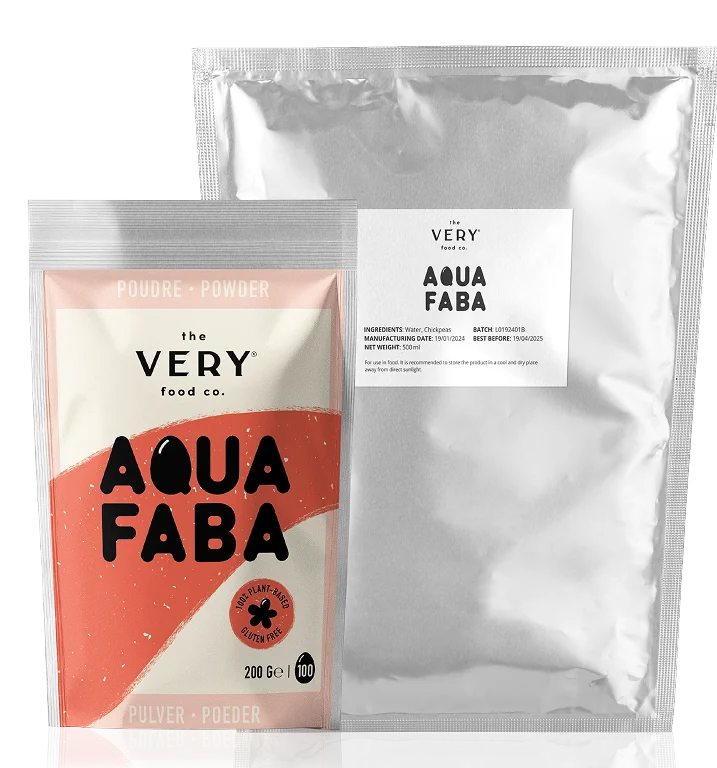
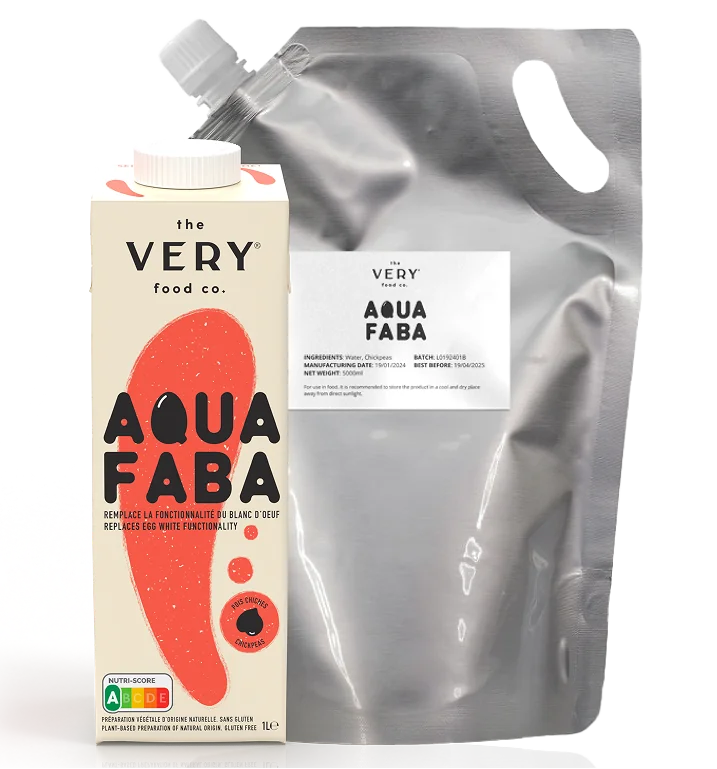
Choose format from the number of batches and the interval between production sessions. A 1L Tetrapak covers about 8 macaron batches. A 200g pouch covers 25 batches when each batch uses 8g of powder made up with 120 ml water. For a larger liquid reserve, the 10L bag-in-box replaces 330 egg whites.
Unopened liquid and powder keep at least 12 months at room temperature. Once opened, liquid keeps 3 to 4 days at 2 to 6 °C. Keep opened powder dry and closed until its best-before date. Match that handling window to your production calendar before opening a pack.
How do you validate the larger run?
Validate a new order size with a run you can review batch by batch. Five batches make about 200 filled macarons and use 600g of liquid aquafaba, or 40g of powder made up with 600 ml water. Keep the formula, rest, oven setting, and maturation time aligned with the recorded method.
Mark each tray by batch, then review the logs for whipping, macaronage, piping, resting, baking and maturation. Compare the complete run with the small-batch standard you already use. If a point changes, repeat the documented unit before moving to the next production volume.
Write the filled macaron count on your production sheet, select the matching batch row, and schedule each tray through the same rest and bake sequence. If you need a format for an upcoming order, use the calculator first, then send an enquiry with the batch count and pack format you are considering.
Where to buy VERY AQUAFABA