Egg substitutes
Aquafaba or egg white: which one for your kitchen?
If you can whip an egg white, you can whip aquafaba, and 30g of it stands in for one white in a meringue, a mousse, a macaron shell or a sour. The two are not the same ingredient, though, and the choice is rarely about the foam. It is about what sits around it: a raw serve, an allergen list, a vegan menu, or a fridge full of opened cartons. Here is the decision per situation, with the figures the site publishes for aquafaba. Updated: .
Which one, by situation?
| Your situation | Pick | Why |
|---|---|---|
| A vegan or plant-based menu | Aquafaba | The dish has to be egg-free by definition |
| Foams served raw: sours, mousse, mayonnaise | Aquafaba | No raw egg white in an uncooked serve |
| Allergen management | Aquafaba | No eggs, dairy, gluten or soy; the recipe drops one of the 14 EU allergens |
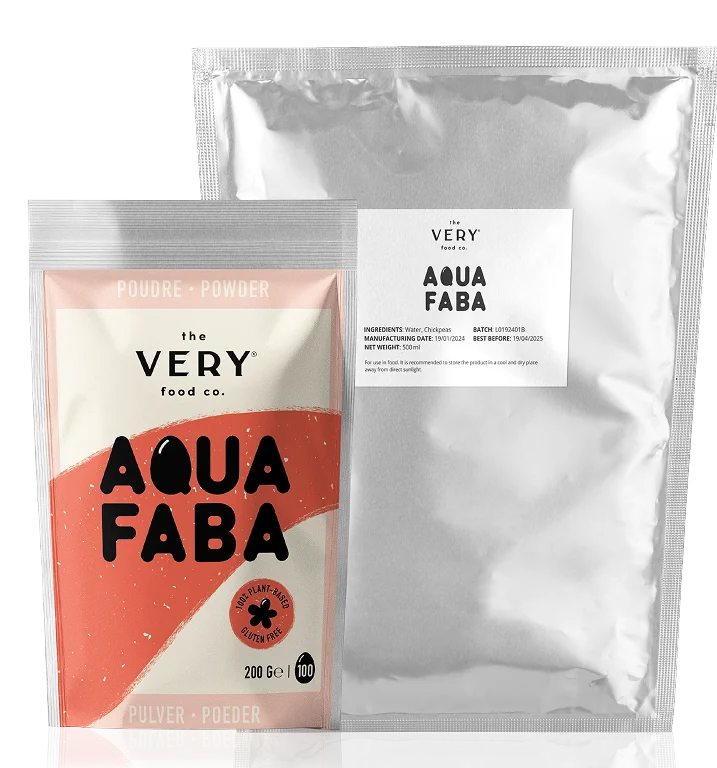
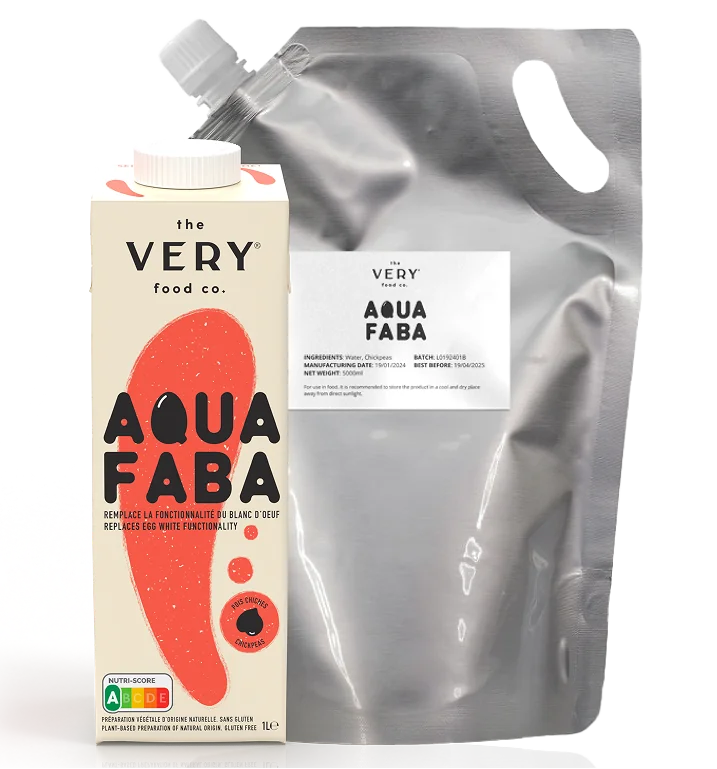
| Stock that waits | Aquafaba | Sealed packs keep at least 12 months at room temperature; powder keeps dry and closed |
| Egg white is already on the station and the dish is cooked | Either | The foam does the same job; swap when the reasons above apply |
| A recipe built on yolk richness | Test first | Aquafaba brings no fat: 15g plus 10g of oil per yolk, and a cooked custard is a test, not a swap |
The dose that matches
Aquafaba is weighed, and three numbers cover every swap: 30g for an egg white, 45g for a whole egg, and 15g of aquafaba plus 10g of oil for a yolk. In powder, 2g with 30 ml of water is one egg white. The recipes are written for aquafaba, and the swap from egg white is one to one at these weights.
Replacing whites needs no other change. Replacing whole eggs in a cake does, because aquafaba is about 90 to 95 percent water against 75 percent for an egg, so reduce the other liquids by 5 to 10 percent; replacing whole eggs with aquafaba goes through it. Do not use the egg-white conversion automatically when the recipe calls for a whole egg or a yolk.
What changes at the whisk?
Less than you would think, because both whip cold, in a clean, grease-free bowl, to soft peaks before the sugar and to stiff peaks after it. Aquafaba is chilled to 4 °C and takes about 3 to 5 minutes on high speed to soft peaks. The failure points are the same as with egg: grease, warmth, sugar too early or too fast, or a foam left waiting. How to whip aquafaba gives you the check at each step.
In a cocktail, the dry shake does the whipping: 20 ml per drink, measured with a jigger, and the head is firm enough to carry bitters. The flavour stays with the spirit, citrus and syrup.
What changes around the recipe?
| Aquafaba | What it means for you | |
|---|---|---|
| Unopened | At least 12 months at room temperature | Stock waits in the dry store |
| Opened liquid | 3 to 4 days at 2 to 6 °C, or frozen in portions for 3 months | Count what you use in 3 to 4 days; powder for the rest |
| Allergens | No eggs, dairy, gluten or soy | One of the 14 EU allergens leaves the formula; the rest of the dish is still checked |
| Raw service | No raw egg | Sours, mousse and mayonnaise served without the raw-egg point in the records |
Chickpea is not one of the 14 allergens covered by EU labelling, but chickpea and legume allergies exist, so answer the allergen question the way the cocktail pages do. Changing one ingredient never makes the finished dish allergen-free.
Where that leaves the choice: the liquid for kitchens that whip every day, the powder for the ones that whip now and then, and egg white where none of the reasons above applies.