Egg substitutes
Can aquafaba replace egg yolk?
Yes, where you need a functional replacement for the yolk in an emulsion. Use 15g of aquafaba plus 10g of oil per yolk. That oil matters because aquafaba does not bring the fat of an egg yolk. For recipes where yolk thickens as it cooks, such as custard, the substitution needs to be tested rather than treated as a direct swap. Updated: .
How much aquafaba replaces one yolk?
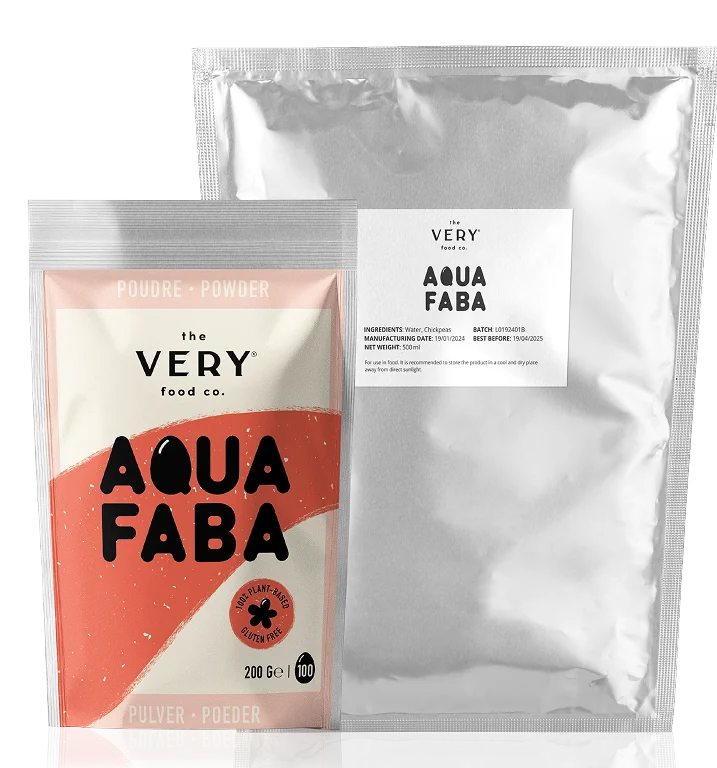
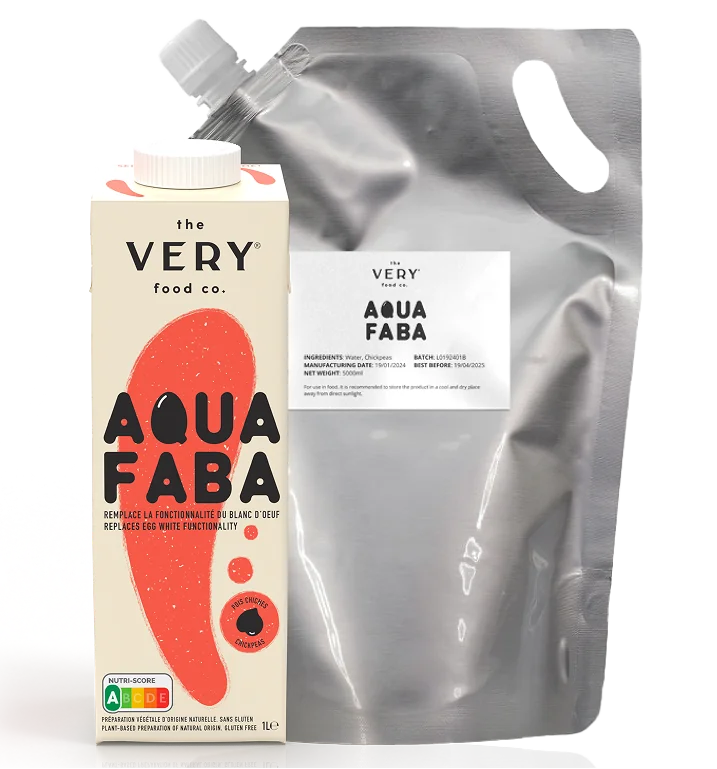
Use 15g of aquafaba plus 10g of oil per egg yolk. For powder, make up the aquafaba first and weigh 15g of the prepared liquid. The egg ratio page has the three rules side by side.
| What you replace | Aquafaba | Plus |
|---|---|---|
| One egg yolk | 15g | 10g oil |
| One egg white | 30g | Nothing |
| One whole egg | 45g | Nothing |
Are you making an emulsion?
Mayonnaise is the clearest case. One batch uses 60g of chilled aquafaba with 300g of oil, an oil-to-aquafaba ratio of 5:1 by weight. Put the aquafaba, mustard, salt and acid into a tall, narrow vessel. Add the oil in a thin, steady stream while blending. For larger batches, a high-shear blender helps control droplet size and keep the emulsion stable.
Follow the mayonnaise method for the full recipe.
Are you replacing yolks in a custard or cooked cream?
Do not treat the 15g plus 10g of oil rule as a direct custard conversion. In custards, curds and crème anglaise, the yolk also thickens as it cooks. Test the formula before changing production. The functional yolk rule is more straightforward where emulsification is the main job.
Are you working with an enriched dough?
Aquafaba brings no yolk fat or colour on its own. Use the 15g of aquafaba plus 10g of oil rule as the starting functional replacement, then test the finished crumb, colour and texture before scaling. If the original recipe uses whole eggs rather than separated yolks, use the whole-egg rule instead.