Tools
How much aquafaba equals one egg? Whole egg converter
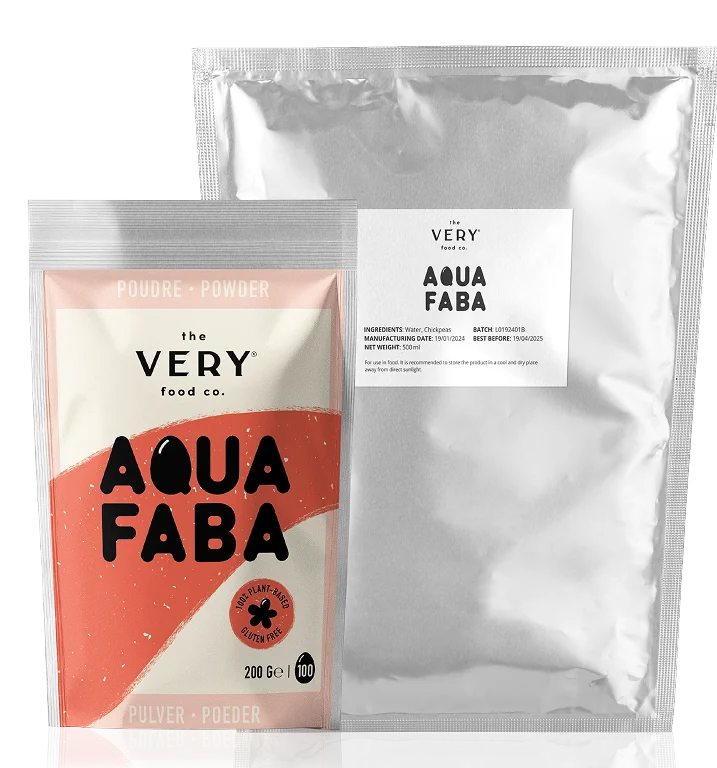
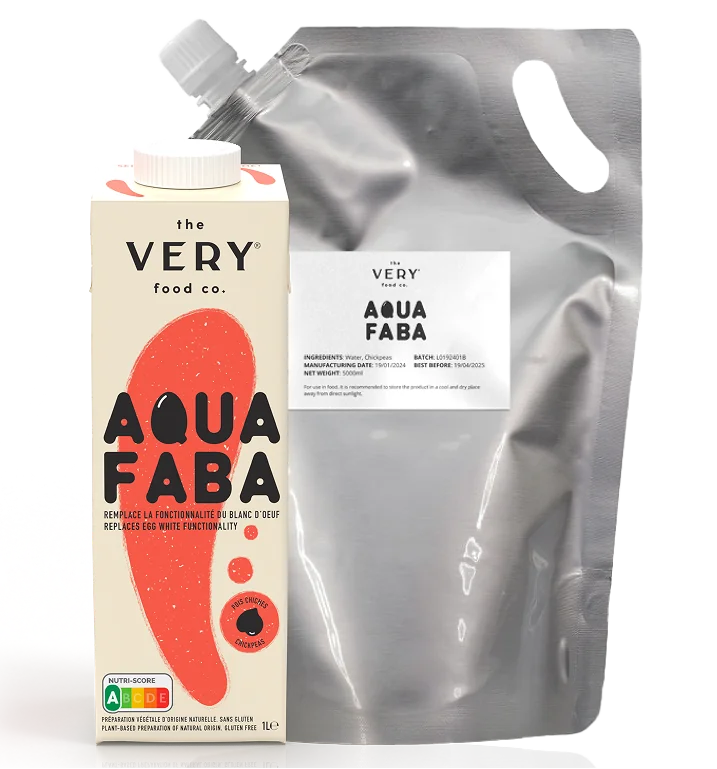
As you scale a cake batter, one whole egg equals 45g of liquid VERY AQUAFABA, or 3g of powder made up with 45 ml of water. Keep the replacement in grams, not spoons.
That rule gives you a starting weight for cakes, batters and doughs that call for whole eggs. Count the eggs, weigh the aquafaba, then check the recipe’s other liquids before you mix. Whole eggs bring less water than aquafaba, so a small adjustment to milk or another liquid may be needed. The table below converts 1 to 6 whole eggs, and the chocolate cake example shows how to put the number into a real batter. If your recipe separates yolks from whites, treat the yolks as their own ingredient rather than applying the whole-egg rule to everything.
Updated: .
Whole egg converter
Your aquafaba
Enter the whole eggs in your recipe.
Convert the whole eggs in your recipe
Count only the whole eggs named in the ingredient list. Multiply the count by 45 for liquid aquafaba, or by 3 for powder. Make powder up with the matching water amount before it reaches the bowl. The converter uses grams because aquafaba is weighed. Do not change to tablespoons or cups when scaling a cake, batter or dough.
Start with the ingredient list rather than an egg size on the carton, then use the same result throughout the recipe. That keeps the replacement clear when the batch grows.
| Whole eggs | Liquid aquafaba | Powder | Water |
|---|---|---|---|
| 1 | 45g | 3g | 45 ml |
| 2 | 90g | 6g | 90 ml |
| 3 | 135g | 9g | 135 ml |
| 4 | 180g | 12g | 180 ml |
| 5 | 225g | 15g | 225 ml |
| 6 | 270g | 18g | 270 ml |
Four eggs in a chocolate cake
A chocolate cake with four whole eggs needs 180g of liquid aquafaba. If you are using powder, make up 12g with 180 ml of water before mixing it into the batter. This is a whole-egg conversion, so keep the recipe’s other egg ingredients separate if it names them.
Check the milk or other liquids next, because liquid aquafaba adds more water than the eggs it replaces. Once those amounts are set, follow the cake method rather than treating the aquafaba as a last-minute add-in. Weigh the amount for the batch before you begin creaming, whisking or folding.
What about the yolk? And why adjust the liquids?
Use the whole-egg conversion only where the ingredient list says whole eggs. When yolks are listed on their own and their richness matters, use 15g of aquafaba plus 10g of oil for each yolk. Do not add that oil to a recipe that calls only for whole eggs.
Aquafaba is 90 to 95% water, while a whole egg is about 75% water. Start by reducing the recipe’s other liquids by 5 to 10%. For 200 ml of milk, start with 180 to 190 ml. Water used to make up powder stays at the stated amount.
Weigh it, then follow your recipe's method
Set the scale beside the bowl and weigh the replacement before you start the method. For a fat-rich batter, mix the aquafaba with the sugar before it meets the fat. If the recipe is built around whipped egg whites, chill the aquafaba to 4 to 6 °C, whip it, then fold it in as the method directs.
Make powder up with water first, never add it dry. Prepare only the amount the batch needs. Keep the water used for powder in place, and make the liquid adjustment only to the recipe’s other liquids.
Count the whole eggs in your next recipe, choose liquid or powder, and weigh the matching amount before you begin mixing. For powder, make it up with water first. If you need stock for a batch, choose the format that matches how you work and buy VERY AQUAFABA.
Where to buy VERY AQUAFABA