Professionals
How to test aquafaba meringue in larger production batches
You have a larger mixer booked and want a trial of aquafaba meringue at production size, with a clear record before a longer run. 150g of aquafaba and 150g of sugar make about 30 meringues, so ten batches take 1.5kg of each for about 300 meringues.
Start with one fixed formula, then increase only the batch count. Keep aquafaba chilled to 4 °C, follow the same whip and bake settings, and write down what happens at each run. That lets you compare a one-batch check with a 5, 10 or 20-batch trial without mixing process changes into the result.
The aim is not to change every variable at once. It is to see whether your planned production conditions hold as the bowl load grows. This guide sets out the quantities, checks, trial record and pack handling you need to plan the run.
Updated: .

How much aquafaba does a larger batch take?
Start with the output you need to inspect, then select a whole number of the site recipe. One batch gives about 30 meringues. Five batches give about 150, ten give about 300, and 20 give about 600. Keep aquafaba and sugar at the same weight for every row.
| Batches | Aquafaba | Sugar | Powder and water |
|---|---|---|---|
| 1 | 150g | 150g | 10g powder with 150 ml water |
| 5 | 750g | 750g | 50g powder with 750 ml water |
| 10 | 1.5kg | 1.5kg | 100g powder with 1.5L water |
| 20 | 3kg | 3kg | 200g powder with 3L water |
Do not change the sugar ratio while you are testing a higher bowl load. Use the meringue quantity calculator when your planned output falls between these trial counts.
What do you check at the new scale?
Keep the base method fixed when the bowl load changes. Chill aquafaba to 4 °C, whip for 3 to 5 minutes, and bake at 90 °C for one and a half to two hours. Note the bowl load and oven load, so you can identify which part of the run changed.
Check the foam before it goes into the oven and inspect the baked meringues after cooling. Use the same mixer, whisk, tray setup and baking program where your production plan allows. A meringue process and checks sheet gives each run the same comparison points. If you are preparing to scale pastry batches, decide in advance which observations count as accepted and which call for another trial.
How do you record the trial?
Give every run a batch reference and use a fresh line for every batch. A record that combines several runs can hide a change in handling, equipment load or bake conditions. Keep the same sheet for liquid aquafaba and powder, but record them as separate trials.
- Batch count, aquafaba format, and weighed aquafaba and sugar
- Powder and water amounts when using powder
- Chilled aquafaba temperature, whip time, oven temperature and bake time
- Mixer, whisk, bowl load, tray setup and oven load
- Notes on the foam before baking and the meringues after cooling
Write the checks during the run rather than rebuilding the record afterwards. This gives you a traceable basis for the next batch count.
Which pack feeds the run?
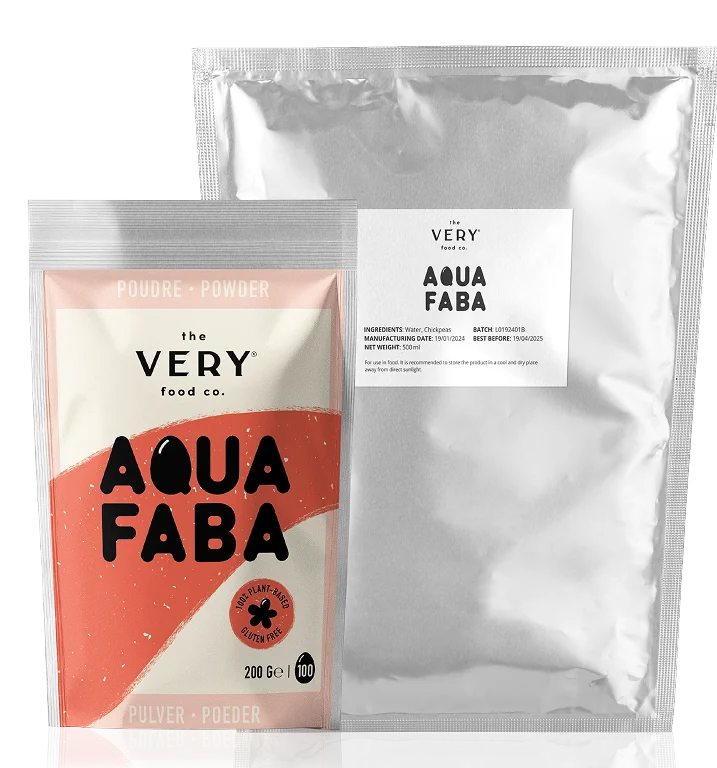
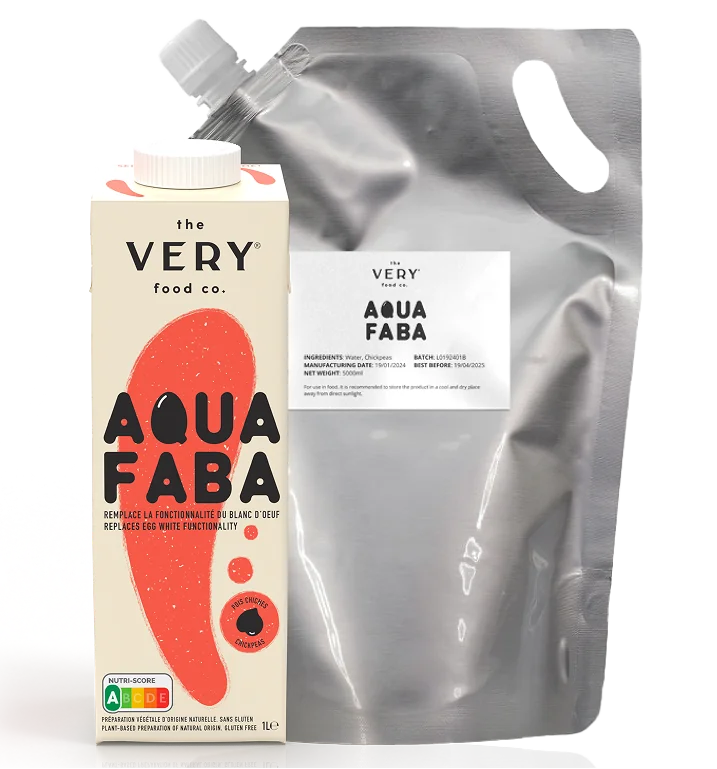
Choose the format around your trial schedule and what remains after the run. A 1L Tetrapak replaces 33 egg whites, while a 10L bag-in-box replaces 330 egg whites. A 200g pouch of powder replaces 100 egg whites, and powder can be made up batch by batch with water.
Unopened liquid and powder keep for at least 12 months at room temperature. Once opened, liquid keeps for 3 to 4 days at 2 to 6 °C. Opened powder keeps until its best-before date when it stays dry and closed. These handling points can help you decide whether to stage a liquid run or hold powder for further trials.
Choose the 1, 5, 10 or 20-batch count that matches the mixer time you can reserve. Write the check sheet before you weigh the first ingredient, then run one format through your normal meringue process. If you need a technical sheet, certificate of analysis or a sample for a qualified enquiry, send an enquiry to begin the specification step.
Where to buy VERY AQUAFABA