Reference
How to compare aquafaba with egg white fairly
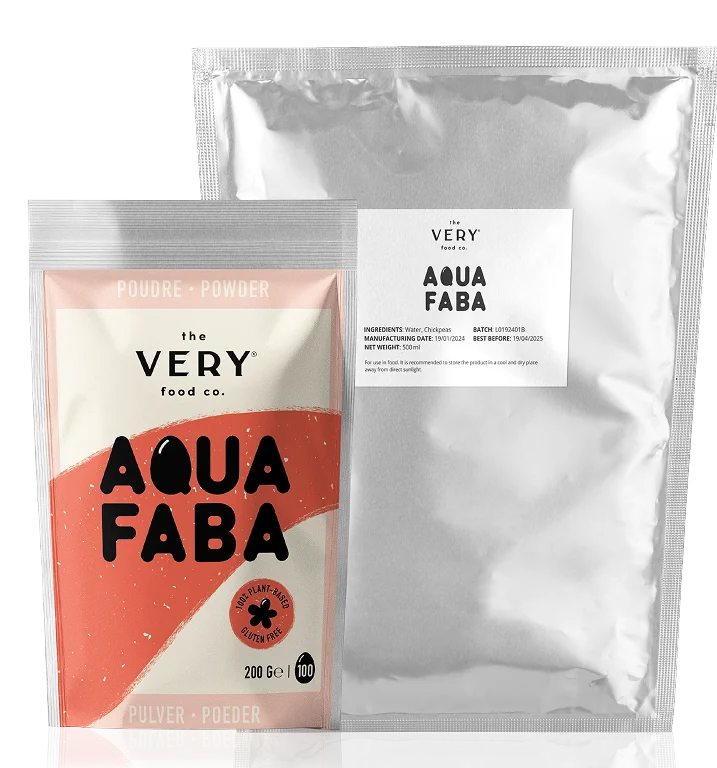
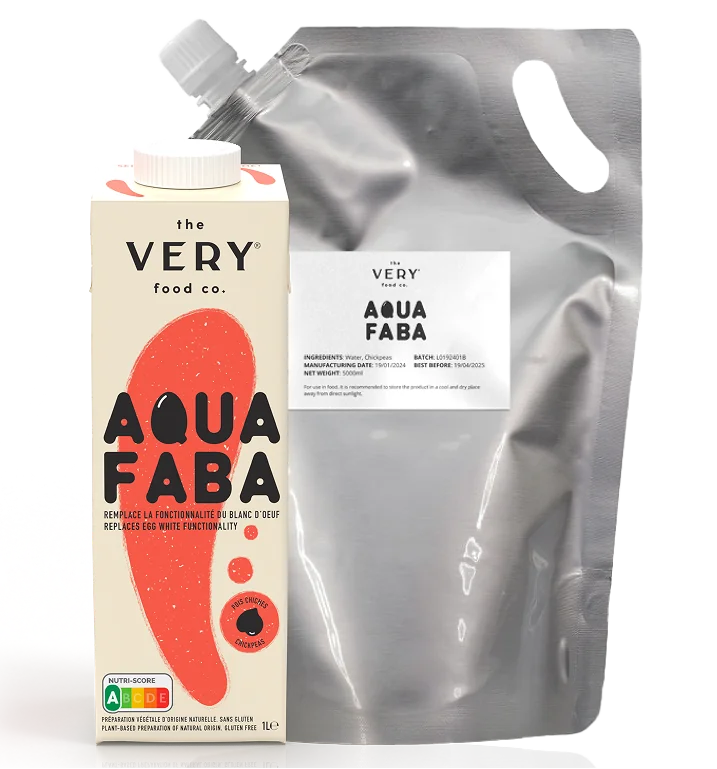
Replace one egg white with 30g of aquafaba and change nothing else. A fair test of aquafaba against egg white needs one control recipe and pass criteria you set before you start.
Pastry chefs may watch lift and finished texture. Bartenders may follow the head from dry shake through service. Developers may need a record that separates the ingredient from the method. Fix the recipe, sugar, equipment, bowl, temperature, timing and operator before the first batch. Then log foam volume, stability and finished texture against the criteria you chose for that product. Use this process for a meringue, a sour or a formulated product, then decide what to test next from the notes.
Updated: .
What makes the comparison fair?
The comparison is fair when the ingredient is the only planned difference. Start from one control formula, whether it is a meringue, a sour or a development prototype. Keep the recipe and every handling condition fixed, then replace each egg white with 30g of aquafaba.
Do not alter sugar to help one batch, change bowls midway or assign different people to each version. Those changes make the notes harder to attribute. Label the samples before you begin and add their preparation order to the trial sheet. A control batch is not a target for aquafaba to copy. It is the reference that lets your own criteria show whether the replacement suits that particular application.
Which criteria do you set before the test?
Set the pass line before you open either ingredient. A pastry test may put volume and finished texture on the sheet. A bar test may focus on the head, handling and how it holds through the serve. A development trial may need process notes another operator can follow.
| What stays fixed | What you measure | How you record it |
|---|---|---|
| Recipe, sugar, equipment, bowl, temperature, timing and operator | Foam volume, stability over service and texture of the finished product | One trial sheet, batch labels and notes at the same checkpoints |
Keep the wording specific enough that you can mark each batch without changing the criteria afterward. Use pass, review or fail only when those terms match the decision you need to make.
How do you run the two batches side by side?
Prepare both batches from the same formula and keep the bowl and equipment choice fixed between runs. Weigh the aquafaba at 30g for each egg white in the control recipe. Keep one operator, the same timing and the same handling sequence for both versions.
For a cocktail method using aquafaba, measure 20 ml with a jigger, dry shake, then shake with ice. Do not change another ingredient or the mixing method halfway through the comparison. Give each sample a code before you assess it, then record observations in the order set on your sheet. If you repeat the test, repeat both batches under the same criteria rather than retesting only one version.
How do you read the result?
Read the result against the pass criteria you set, not against a general expectation about either ingredient. Put the batch sheets side by side and review volume, stability and finished texture separately. This helps you see where a result met the brief and where it did not.
Keep observations distinct from decisions. “The head held through service” is an observation. “Suitable for this sour specification” is a decision based on the criteria you chose. If a result falls outside those criteria, do not adjust one sample afterward to close the gap. Note the condition you want to change, then run a new matched pair. Your record can then show whether to move forward, revise the method or test a different application.
Write the control recipe and your pass criteria on one sheet, then schedule the two batches under the same conditions. Start with the application that matters most in your service or development work. Once you have recorded the result, choose one next test rather than changing several variables at once.
Where to buy VERY AQUAFABA