Professionals
Aquafaba vs egg white in a sour: run the test in your bar
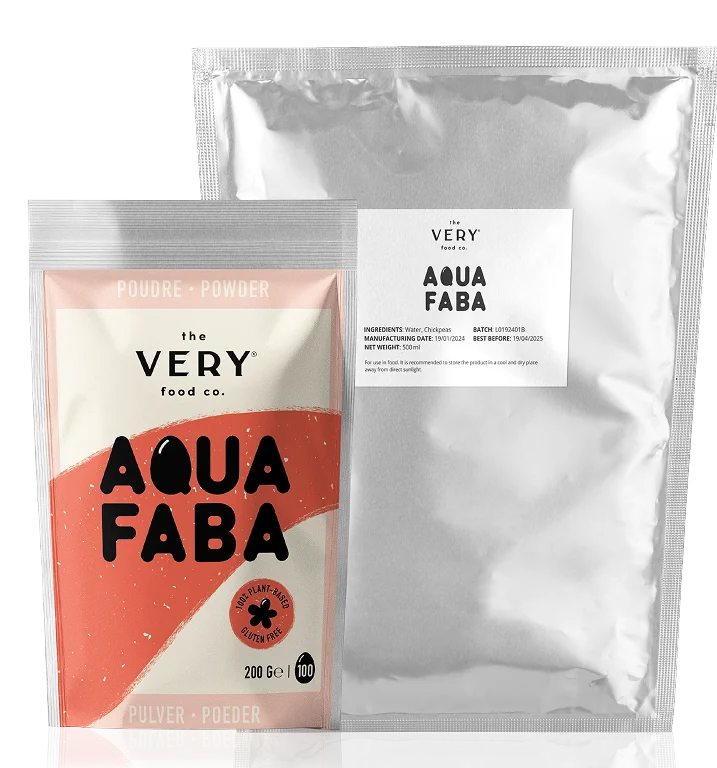
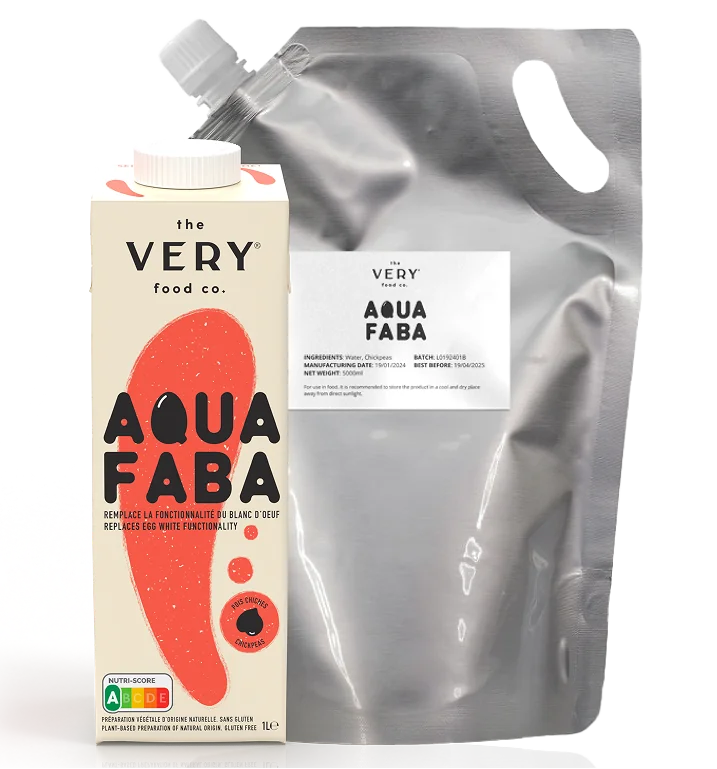
At the menu meeting, make the same sour twice: one with egg white and one with 20 ml of VERY AQUAFABA. Use the same recipe, jigger, shake and glass, then judge both drinks side by side before you change a sour on the menu.
This is a bar test, not a guess from the pack. Keep the spirit, citrus and syrup identical, and give each drink the same dry shake and shake with ice. Look at the head as it lands, return to it after a few minutes on the bar, and taste each sour. Then ask the bartender making it what felt clear or awkward at the station. Measure the aquafaba at 20 ml per drink with a jigger.
Updated: .

How do you set up the test?
Choose one sour that already has a settled spec at your bar. Make two versions in the same service window: your current egg white build, then the aquafaba build. Keep the spirit, citrus, syrup and glass unchanged, so you are testing the foamer rather than a new drink.
Measure the aquafaba with the same jigger you use for the rest of the build. Dry shake each drink for 10 to 15 seconds without ice, then shake for 10 to 15 seconds with ice. Start with a whiskey sour or pisco sour you know, and compare aquafaba with egg white fairly by writing the method down before the first pour.
What do you look at in the glass?
Pour both drinks into the same glassware you use for that sour, without changing the rest of the serve. Look at each drink as it lands, then leave both on the bar for a few minutes. Taste them in turn before you discuss a menu change.
| What to compare | What to note |
|---|---|
| Head after pouring | Height, coverage and bubble appearance |
| Head a few minutes later | What remains in each glass |
| Taste | How each finished sour tastes side by side |
| Method | How the bartender found the sequence at the station |
Do not reduce the trial to a photo of the first head. Compare what is in front of you, including how the bartender handles the method.
How do you test it during a real service?
Run the comparison when tickets are coming in, not only during a prep session. Pre-batch the spirit, citrus and syrup if that is how you work, but add the aquafaba at the shake, never to the batch. Keep the trial bottle at 2 to 6 °C, mark the opening date and use opened liquid within 3 to 4 days.
Ask each bartender who makes a trial drink to follow the same written sequence. Note where the jigger sits, whether the dry shake is being skipped, and what happens at the pass. Keep the cocktail process and checks at the station, and record during the shift whether you get the same foam from every bartender.
What happens after the test?
Put the two records beside the existing sour specification after service. If you decide to make another trial, change one thing at a time and repeat the same checks. If you decide the aquafaba method belongs on the menu, write 20 ml into the spec and keep the shaking sequence beside it.
Use the trial notes to plan how you would replace egg whites on a cocktail menu, including where the liquid is stored and when it is added. Do not fold it into a citrus batch. A clear station note gives anyone making the sour the same starting method.
Choose one sour and schedule a side-by-side pour before the next menu decision. Write the recipe, glass, shake sequence and observations on one sheet. If you need liquid for a qualified bar trial, send an enquiry with the sour you plan to test.
Where to buy VERY AQUAFABA