Reference
Baking aquafaba meringues: what temperature, and for how long
Small aquafaba meringues bake at 90 °C, fan off, for 1.5 to 2 hours, until completely dry. A 20 cm pavlova base bakes at 110 °C, fan off, for 1.5 to 2 hours, then cools in the oven with the door ajar.
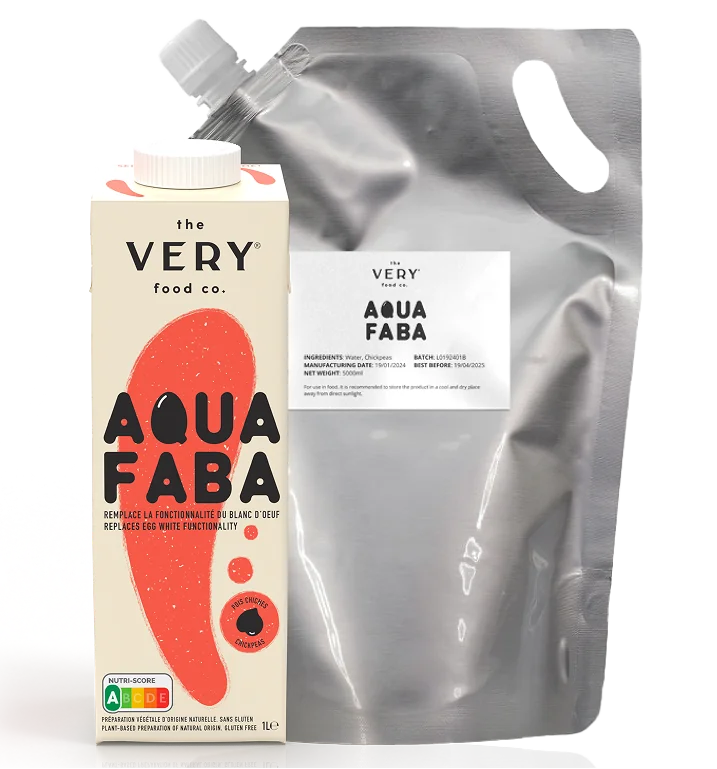
When your tray is in a home oven and you are tempted to turn up the heat, hold that low temperature. For 3 to 4 cm piped rounds, keep the oven at 90 °C with the fan off. You can make about 30 small meringues from 150g chilled aquafaba and 150g caster sugar. For a consistent starting point, we make ready-made, standardised aquafaba in a 1L Tetrapak, equivalent to 33 egg whites. This guide covers baking, cooling and keeping both shapes crisp at home.
Updated: .
Low and slow: 90 °C for small meringues
Small rounds need their own setting. After whipping chilled aquafaba to glossy stiff peaks and piping 3 to 4 cm rounds, bake with the fan off. A tray made from 150g aquafaba and 150g caster sugar makes about 30 small meringues. Keep the meringue, pavlova and macaron methods separate, even though they are all oven-baked. Macaron shells appear here only for contrast, not as a setting to borrow for meringues.
| Shape | Temperature | Time | Cooling |
|---|---|---|---|
| Small meringues | 90 °C, fan off | 1.5 to 2 hours, until completely dry | On the tray |
| 20 cm pavlova base | 110 °C, fan off | 1.5 to 2 hours | Oven off, door ajar |
| Macaron shells | 130 °C, fan off | 16 to 18 minutes | On the tray |
Larger shapes: the pavlova base
A larger centre needs the pavlova setting instead of an extended small-meringue bake. Shape one 20 cm disc with raised edges, then bake it at 110 °C with the fan off for 1.5 to 2 hours. When baking ends, turn the oven off and leave the base inside with the door ajar to cool.
You can bake the base 1 day ahead and keep it airtight with a desiccant pouch. Add 250 ml whipped plant-based cream and 300g fruit just before serving, rather than storing the topped pavlova.
How do you know they are done?
Use the finish cue for the shape in front of you, rather than applying the same check to every bake. Small meringues reach their stated finish when they are completely dry. The 1.5 to 2 hour range gives you the baking window, but the dry finish is the check before cooling on the tray.
For pavlova, baking is followed by a different final stage. Turn the oven off and cool the base inside with the door ajar. Before either shape goes in, add the sugar gradually and let it dissolve, since undissolved sugar can make meringues weep.
Cool them, then store them
Cool small meringues on their tray, then keep them airtight at room temperature. Add a desiccant pouch if you have one. Meringues take up moisture from the air, and sugar that has not dissolved can make them weep.
Treat the pavlova base similarly after its oven cooling stage. If you bake it 1 day ahead, store it airtight with a desiccant pouch and wait until just before serving to add the cream and fruit. This keeps the storage step separate from the final topping.
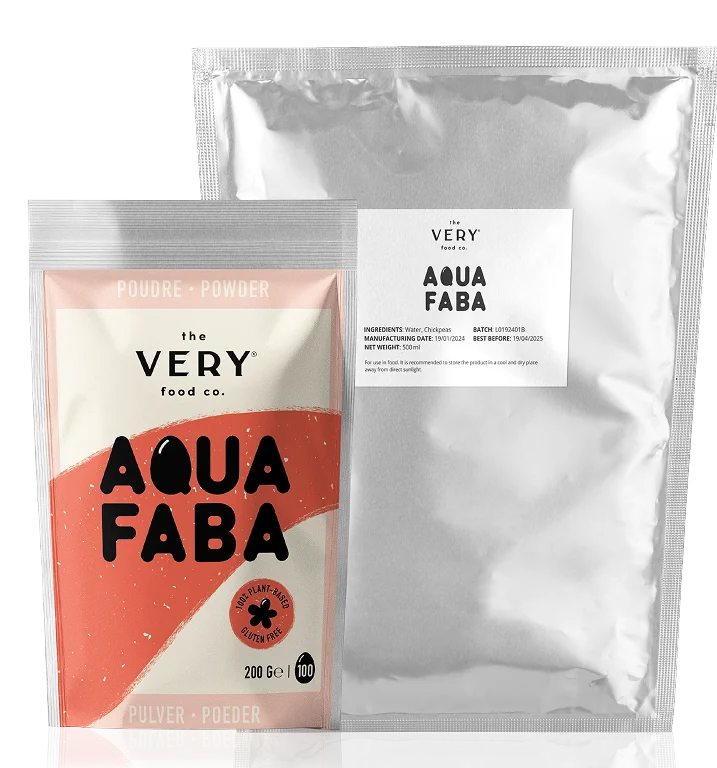
For your next bake, choose the shape before you heat the oven, then set the fan off and plan the cooling stage. Weigh the aquafaba and sugar, and keep a desiccant pouch ready for storage if you have one. For ready-made, standardised aquafaba at home, buy the 200g pouch from VERY AQUAFABA.
Where to buy VERY AQUAFABA