Professionals
How to introduce egg-free cocktails across a restaurant group
During service, one bar is still cracking eggs while another is already calling for a sour specification. Switch the sours that already use egg white, using 20 ml of VERY AQUAFABA per drink and one written method for every site.
Start with the serves your bartenders already know, then make the change repeatable rather than asking each venue to interpret it. A group rollout needs a short drink list, a measured pour, a shake sequence and a local stock plan. Keep the foamer out of the pre-batch and add it at the shake. That lets each bar follow the same core routine while planning its own volume from its own sales. VERY AQUAFABA contains no egg, dairy, gluten or soy. Chickpea is not among the 14 allergens covered by EU mandatory allergen labelling, although chickpea and other legume allergies can still exist. Check every other ingredient before making an allergen statement about a finished drink.
Updated: .

Which drinks do you switch first?
Start with named sours that already call for egg white, not every foamed serve on day one. Your menu review can identify the drinks where a like-for-like station change makes sense. Our recipes use 20 ml of VERY AQUAFABA in Pisco Sour, Amaretto Sour, Whiskey Sour, Gin Fizz, White Lady, La Rosée and The Sunset. Keep the first group small enough that each site can test the written routine during normal service. Record the drink name, the existing build and the glass your bar already serves its sours in. Do not add a new garnish or presentation rule unless it belongs in the menu specification.
How do you write the specification every site follows?
The specification should fit on a station card. For each sour, write the drink name, ingredients, pour measures, aquafaba measure, shake order, glass and any existing garnish. State that the spirit, citrus and syrup are pre-batched, while aquafaba is added at the shake. Specify 20 ml measured with a jigger for every drink. This keeps the foamer separate from the batch and gives a site manager clear checks at handover. Use the same wording and order at every venue, then retain a local recipe only where its menu build differs. Version the card so an old printout is not treated as current.
How do you train the bartenders on the method?
Train from the card at the station, using one full drink from the menu. Measure 20 ml with a jigger, dry shake without ice for 10 to 15 seconds, then shake with ice for 10 to 15 seconds. Have each bartender repeat the same sequence with the relevant sour. The check is observable: the measured pour goes in at the shake, not in the pre-batch, and both shake stages happen in order. Keep the card beside the tools while the method is new. Managers can review the drink during a normal shift and correct the step, rather than asking for a different technique by site.
How do you order for the group?
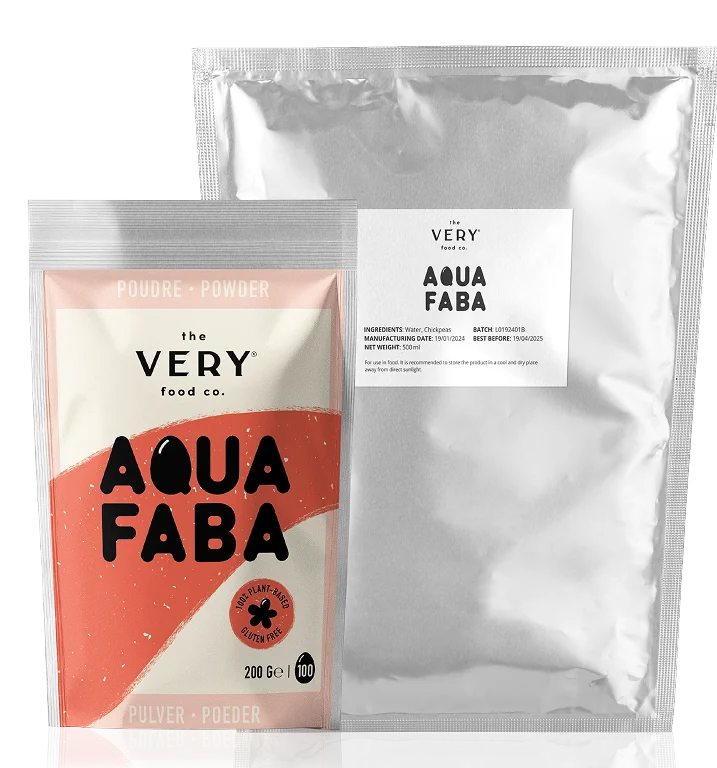
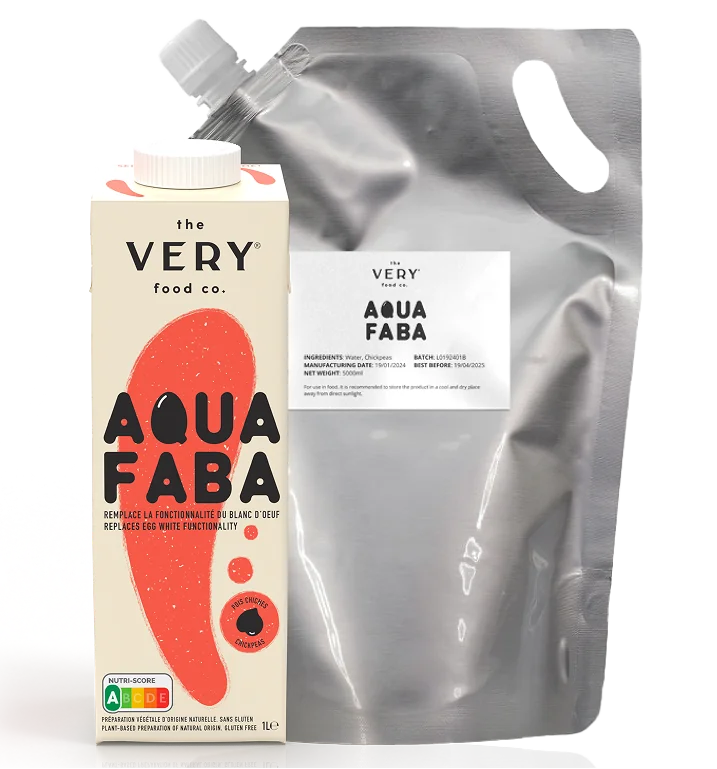
Order by the sales pattern at each site. A 1L Tetrapak makes 50 drinks at 20 ml per drink, so use each venue's own sour sales to set its order. Do not roll one outlet's volume across the group. Once opened, liquid keeps for 3 to 4 days at 2 to 6 °C, and the opening date needs marking. Unopened liquid and powder keep at least 12 months at room temperature. We serve every country through distributors. If the group buys across borders, put the countries, formats and delivery contacts in one enquiry. Recurring orders can then follow the pattern each site establishes.
Choose one egg-white sour at each venue and collect the current build before you change the menu. Put the 20 ml measure and shake sequence on one shared card, then compare each site's sales and storage space. When those details are ready, send an enquiry with the countries and formats you need.
Where to buy VERY AQUAFABA