Professionals
What to check when receiving a professional aquafaba delivery
The delivery is at the goods-in bay, and you need to decide whether it can enter stock. Check the packs, order, batch numbers, best-before dates and certificate of analysis against the acceptance criteria set by the buyer. Do this before booking the goods in or moving them to storage.
For unopened liquid or powder, the storage rule is at least 12 months at room temperature. Once liquid is opened, keep it at 2 to 6 °C for 3 to 4 days. A consistent door check links the physical delivery to its documents in your record. It shows when a pack, batch, date or document needs to be held for review.
Updated: .

What do you check at the door?
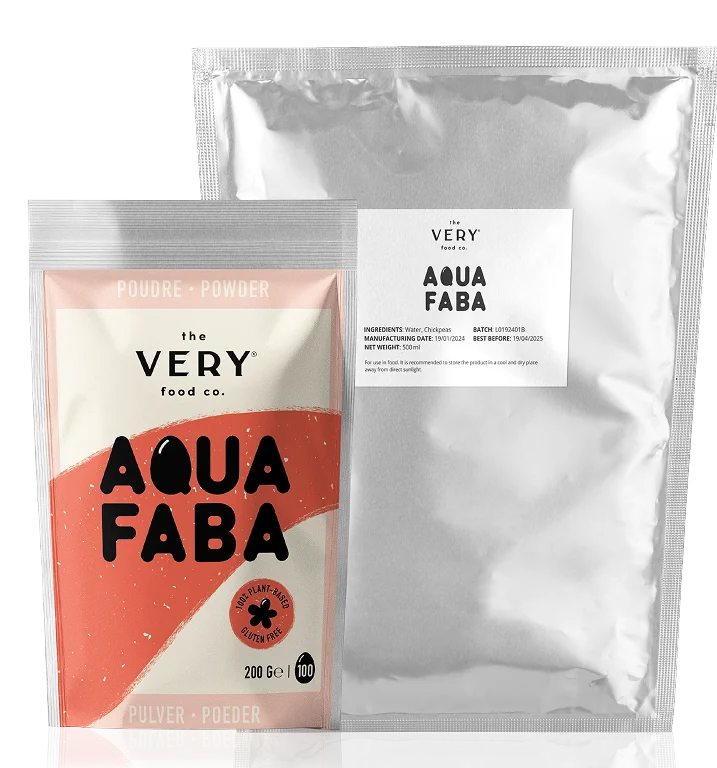
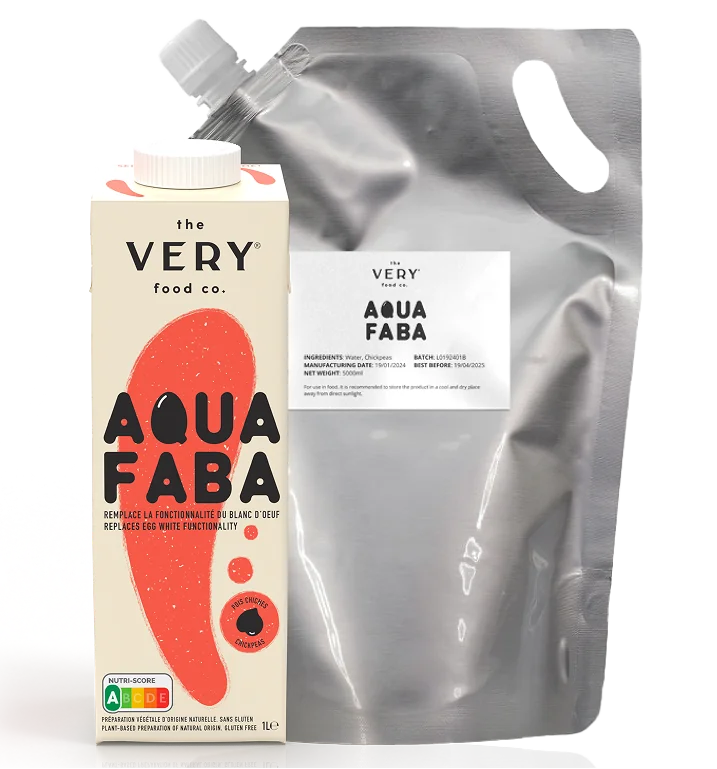
Start with the delivery as presented, before any pack is put away. Look for crushed corners, leaks, wet cartons, broken seals or other visible damage. Match the product, format and quantity to the order. Liquid comes in 1L Tetrapak, 10L bag-in-box or 1T IBC formats. Powder comes in 30g, 200g and 3kg pouches.
Then compare the batch number and best-before date on the pack with the paperwork for that batch. Check only against the acceptance criteria the buyer has set. Keep unopened packs at room temperature after you have accepted them.
How do you read the certificate of analysis?
The COA is a batch document, so begin by confirming that its batch number is the one printed on the delivery. Next, check that the product description and format identify the goods you ordered. Read the documented results alongside the buyer's stated acceptance criteria, rather than applying made-up limits at goods-in.
A COA does not replace a pack check. The document, the labels and the order need to point to the same consignment. If any part is absent or cannot be matched, treat that as a mismatch and keep the goods out of available stock while you clarify it.
What do you record?
Your record should let another person identify what arrived and what you decided, without reopening the delivery. Record the order reference, product and format, quantity received, batch number, best-before date, pack condition and COA match. Add the buyer's acceptance decision and the storage location for accepted packs.
| Item | Check | Record |
|---|---|---|
| Order and product | Match the delivery to the order | Order reference, product, format and quantity |
| Pack and label | Inspect condition and identify the batch | Pack condition, batch number and best-before date |
| COA | Match the document to the batch | COA match and acceptance decision |
| Storage | Confirm the stock status | Room temperature location or hold status |
Use the same record for liquid and powder, then note the relevant format. It creates a trace between the label, paperwork and stock entry.
What happens if something does not match?
Put any delivery with damaged packs, a missing document, or a batch or date mismatch into a clearly identified hold status. Keep it separate from available stock. Record what does not match, including the order reference, product, format, batch number, best-before date and the relevant document issue.
Do not change the buyer's acceptance criteria at the door to make the delivery fit. Ask us to clarify the document or delivery detail, and keep the record with the held goods. Release the delivery only when the mismatch has been resolved against those criteria. If it cannot be resolved, record the decision before taking the next handling action.
Before the next delivery is booked in, put this check beside the goods-in record and confirm the buyer's acceptance criteria. If you need the TDS or COA for a product under review, send an enquiry with the format and document you need. Keep unmatched goods on hold until the details are clear.
Where to buy VERY AQUAFABA